What is a Negative Rake Cutter?
Anne Burdick
What Is a Negative Rake Cutter?
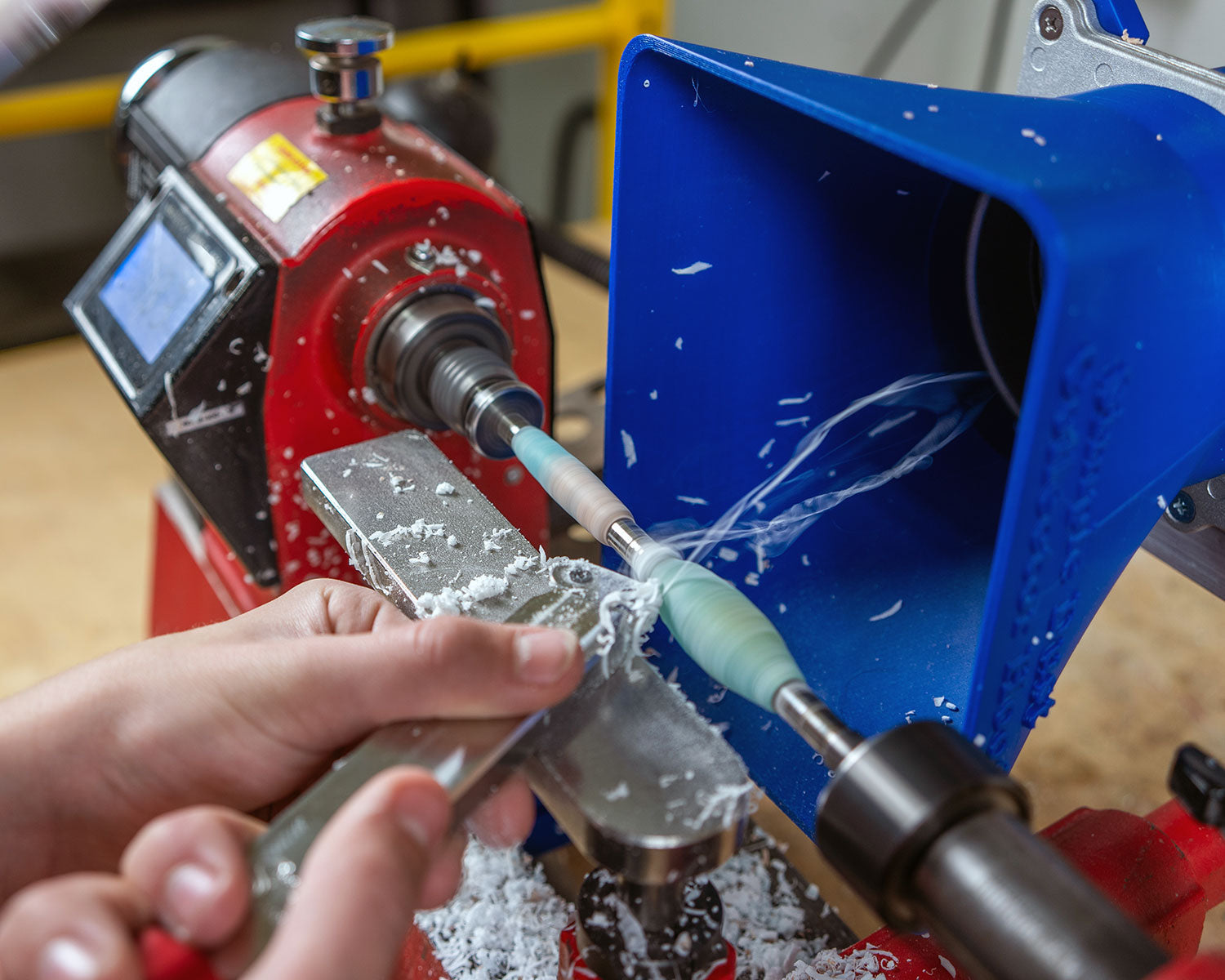
If you’ve spent any time around woodturning—especially turning resin, acrylics, or tricky grain—you’ve probably heard the term negative rake cutter. But what does that actually mean, and why do so many turners swear by them?
Let’s break it down.
How a Negative Rake Cutter Works
Instead of trying to pull itself into the wood, a negative rake cutter:
-
Takes lighter, more controlled cuts
-
Reduces tool grab and catches
-
Produces a smoother surface, especially on difficult materials
Think of it as calming down the cut.
Why Woodturners Use Negative Rake Cutters
Negative rake cutters really shine in situations where control matters more than aggressiveness.
1. Safer, More Predictable Cutting
Because the cutter is less inclined to dig in, it’s easier to maintain control—especially for:
-
Newer turners
-
Finishing cuts
-
Resin turning
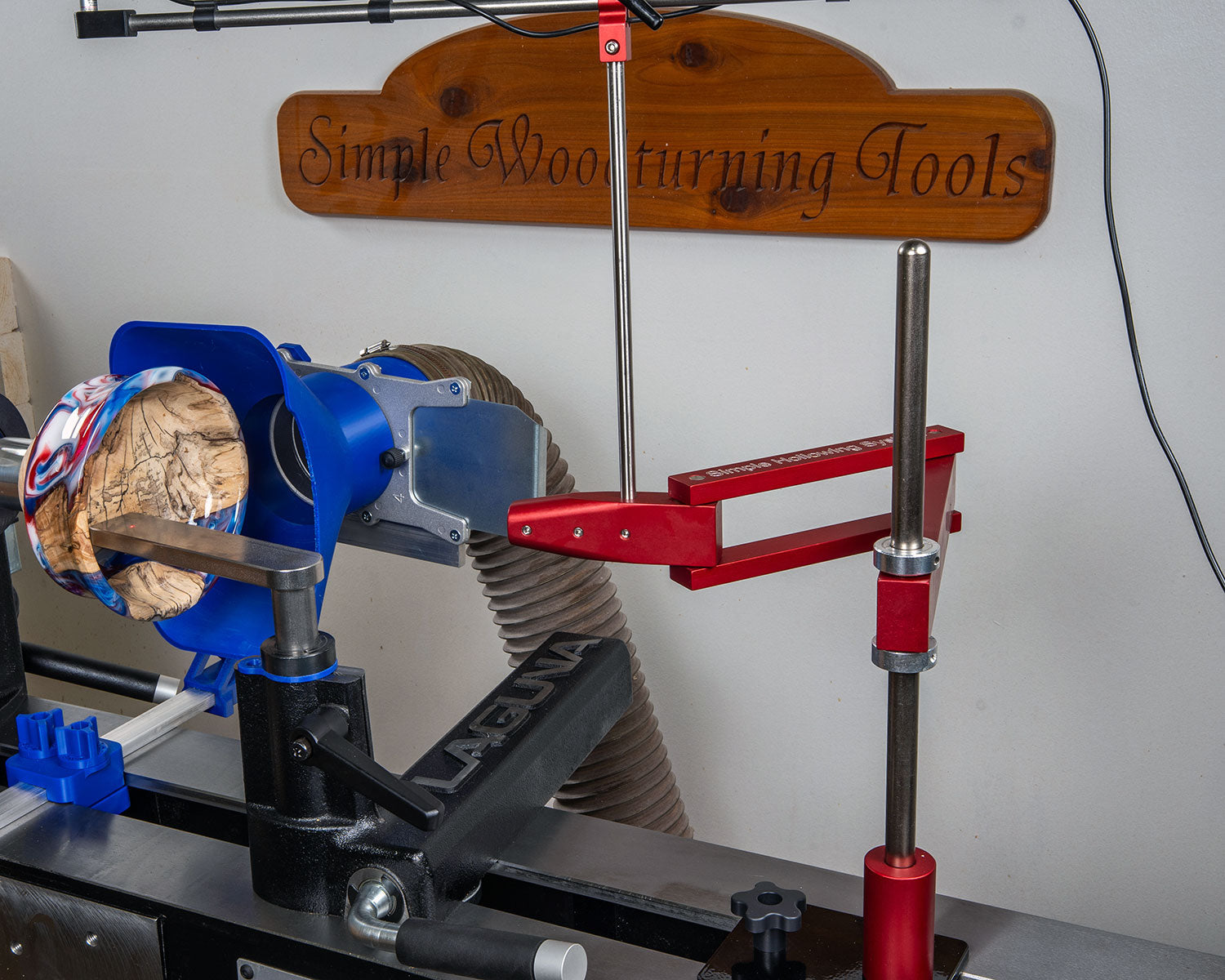
2. Excellent for Resin and Hybrid Projects
Resin, acrylics, and wood/resin hybrids are notorious for chipping and catching. Negative rake cutters:
-
Reduce chipping and tear-out
-
Handle hard-to-soft transitions smoothly
-
Leave cleaner surfaces on epoxy pours
3. Great for End Grain and Difficult Woods
Highly figured woods, burls, and end grain can all benefit from a negative rake approach.
4. Ideal for Finishing Cuts
Many turners rough with standard cutters, then switch to negative rake cutters for the final shaping and surface cleanup.
When Should You Use a Negative Rake Cutter?
Negative rake cutters are especially useful when:
-
Turning resin or acrylic
-
Working on wood/resin hybrids
-
Making final shaping or finishing passes
-
Turning thin-walled bowls or vessels
-
You want maximum control and surface quality
Many turners keep a negative rake cutter mounted and ready specifically for these moments.
The Bottom Line
A negative rake cutter is designed to cut more gently and predictably by using a backward-leaning cutting angle. That makes it smoother and especially effective for resin, hybrids, and finishing cuts.
If you’ve ever wished your tool felt less grabby and more in control—there’s a good chance a negative rake cutter is exactly what you’re looking for.
Turning doesn’t have to be aggressive to be effective. Sometimes, smoother really is better.